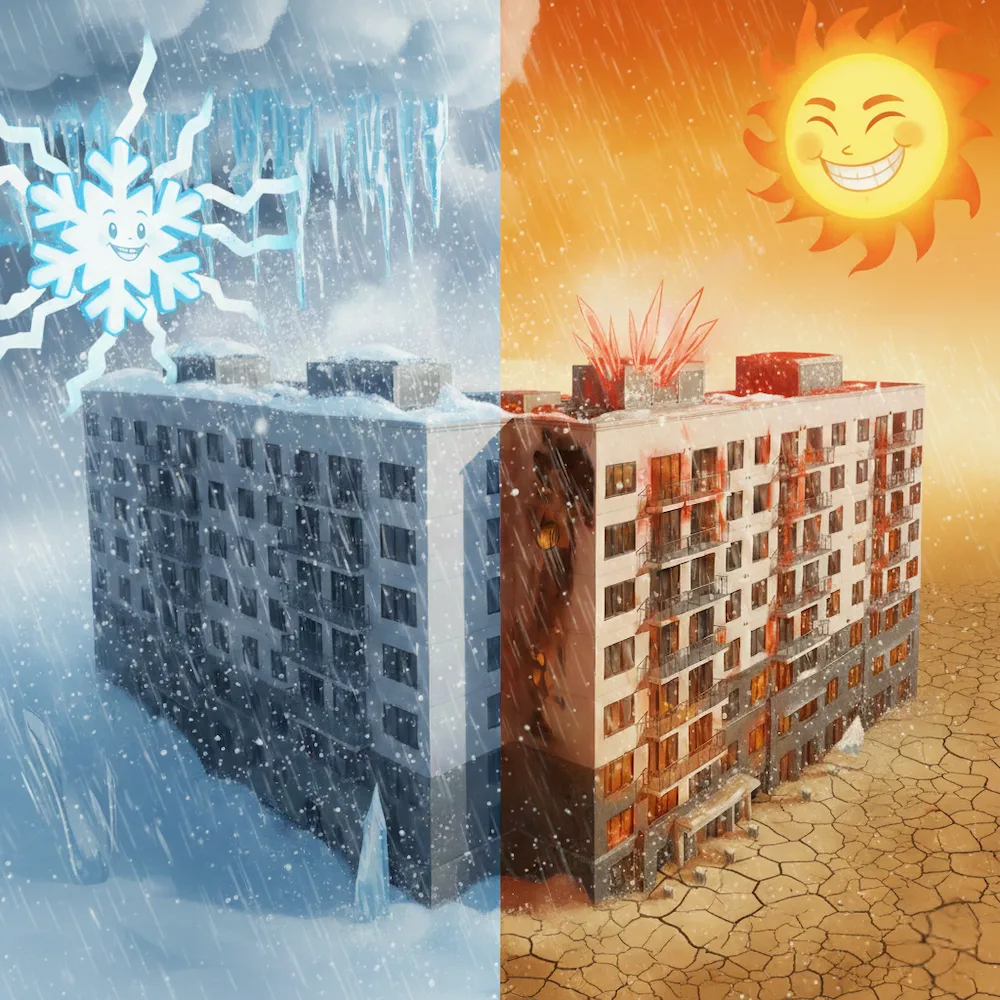
Last month, states across the US experienced sub-freezing levels of cold, characterized by snow, sleet, and freezing rain.
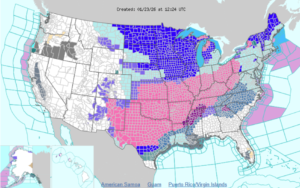
Image source: https://www.weather.gov/lmk/WinterStormJanuary24_262026
Last year, the summer season was regarded as one of the hottest on record. Heat waves and heat domes left people in unseen levels of sweltering heat.
These weather conditions aren’t one-off events – they signify a broader change in environmental conditions. As climate change becomes more apparent, more extreme weather events are becoming the “new normal”.
Extreme weather is no longer just a seasonal inconvenience – it’s an operational risk.
The Property Manager’s “Tightrope”
Extreme weather conditions directly affect building operations, especially for multifamily buildings and hotels that prioritize occupant comfort.
Unfortunately, for building operators like Resident Managers and Supers, tenants are less understanding when their apartments are too hot in the summer or too cold in the winter.
The last thing they would want is for their HVAC systems to be pushed too far during extreme weather events and break down, causing all hell to break loose inside their building.
Financially, utility cost volatility during peak weather events can blow a hole in a carefully planned annual budget – one that may be looked down on by board members.
It can also add pressure on maintenance teams who are typically already stretched very thin. They don’t have time to manually operate a central plant during a storm.
Ultimately, it’s a lose-lose situation for building operators.
Moving from Reactive to Proactive
Data-informed operations can help ease building operators’ workload during extreme weather events by shifting away from manual “guesswork” to a system that uses real metrics to manage the building.
In a reactive model, the building is always playing catch-up. When an arctic blast or record-breaking heatwaves hit, the HVAC system is pushed to its absolute limit.
Without optimization, the system often overcompensates, leading to:
Implementing technology that monitors the building 24/7 catches small mechanical drifts before they become 3:00 AM emergencies, effectively de-risking the building from catastrophic HVAC failures.
Beyond simple monitoring, HVAC optimization uses predictive logic. By factoring in local weather forecasts and the building’s specific thermal “inertia”, an optimized system can “pre-cool” or “pre-heat” a property before the outdoor temperature peaks.
In turn, instead of the HVAC system panicking at mid-day when the heat peaks, or in the middle of the night when it’s coldest, it has already leveled out the load.
This ensures stable indoor temperatures, protects expensive chillers and boilers from over-exertion, and keeps your staff focused on the guest or tenant experience rather than emergency repairs.
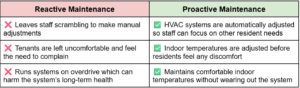
Table Comparing Reactive vs Proactive Maintenance
How Parity Supports Your Building During Extreme Weather
Parity’s HVAC optimization service helps building operators navigate extreme weather by boosting HVAC efficiency while avoiding running up the bills.
Our software works by enacting dynamic control strategies that optimize when to increase or decrease temperatures and by how much.
This is the direct opposite of static schedules, where HVAC systems are run at random times during the day or at max capacity even when they don’t need to be.
Through consistent monitoring of indoor temperatures and 24/7 surveillance of HVAC systems, Parity’s service detects issues before residents feel any discomfort.
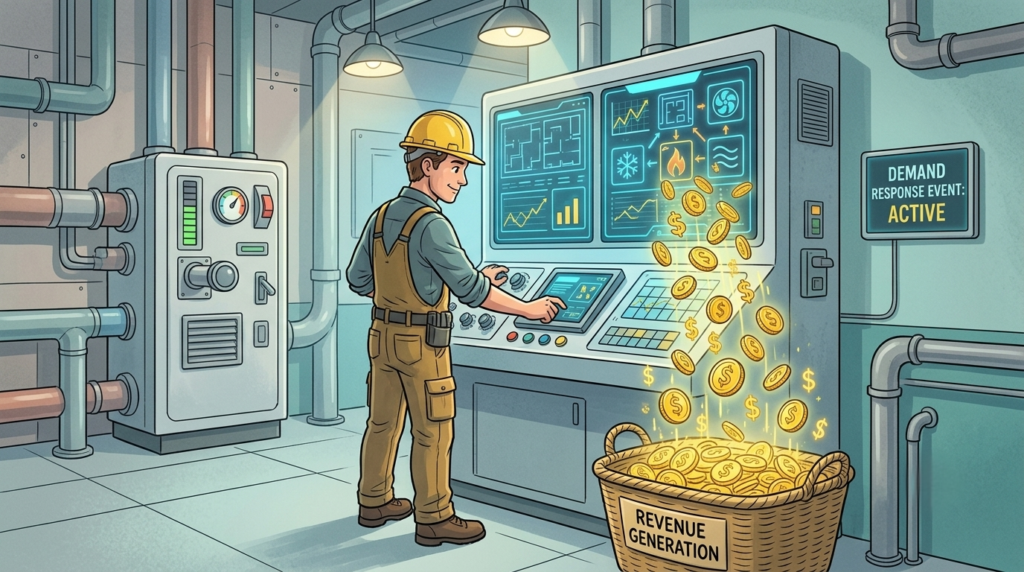
Also, Parity helps multifamily buildings and hotels automate demand response curtailment, which allows buildings to maintain grid security during extreme weather to avoid blackouts.
Building operators may be skeptical of allowing an external vendor to control what is arguably one of the most important systems in a building; however, Parity acts as an extension of the on-site team, provisioning clear, concise updates without adding work for building operators.
Property and Resident Managers know their building best – what its needs are, how to serve tenants and guests best.
Parity provides visibility and data to support on-site decision-making while ensuring building operators retain full control over their systems to respond to the needs of their customers.
The Results
Parity’s monitoring and alerts ensure that indoor temperatures remain stable despite external volatility, keeping residents happy.
Fewer resident complaints mean fewer board escalations.
When asked about how Parity has impacted resident comfort, Michael O’Hara, Resident Manager of a luxury condominium on the UWS says, “Parity has helped us quite simply by not impacting our residents.”
In the summer when New York City’s residents battled multiple heat waves, Michael says he “didn’t receive a single complaint.”
With extreme weather conditions expected to increase in frequency and scale, HVAC optimization is necessary to ensure multifamily buildings and hotels are well-equipped to adapt to the external environment.
To learn more about how Parity’s HVAC optimization service can help achieve utility cost savings and reduce fines from building performance standards, contact contact@paritygo.com or call 1-833-372-7489.