Shifting global events and macroeconomic instability has made energy markets unpredictable.
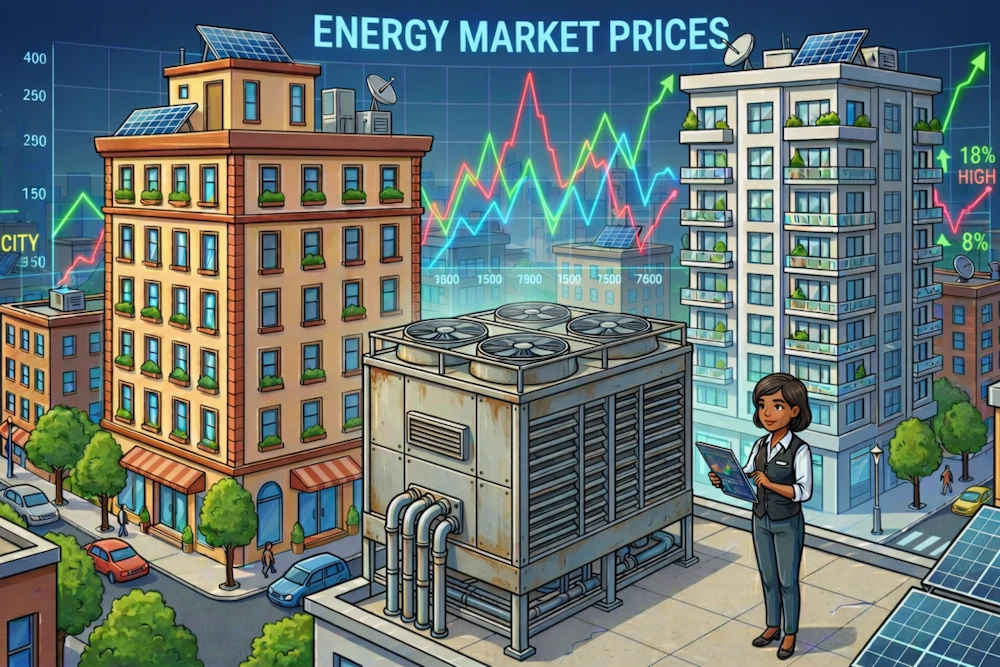
When these energy markets become volatile, commercial properties, including multifamily buildings and hotels, aren’t safe from the unpredictability and the resulting spikes in energy costs.
However, building owners and operators don’t have to be at the mercy of global energy markets.
By optimizing their existing HVAC systems, properties can proactively curb rising energy costs and protect their bottom lines from unexpected operating expenses.
Energy costs are often the highest uncontrollable operating expense for large properties.
When the market shifts, unpredictable energy rate hikes instantly degrade a building’s bottom line. The impact, while universally damaging, affects different properties in unique ways.
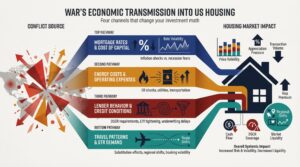
Image source: How War Impacts the US Housing Market
For hotels, heating and cooling account for a massive percentage of their total energy consumption.
When energy rates spike, the cost to keep guests comfortable eats directly into the Revenue Per Available Room (RevPAR). This becomes especially damaging during periods of fluctuating occupancy, where systems might be conditioning empty spaces at premium market rates.
In multifamily buildings, central HVAC systems must run 24/7 to maintain resident comfort.
Since property owners often cannot immediately pass sudden utility rate hikes onto their residents due to fixed lease structures, the owner is forced to absorb the financial hit of these increased energy costs entirely.
Put simply: if a building is using 15% more energy than it needs to, that waste can translate into a disproportionate increase in energy costs when energy markets are unstable.
The only effective hedge against a rising energy rate is to lower the energy consumed.
If a building can permanently cut its energy waste, it effectively neutralizes the financial impact of a market rate hike.
Managing the amount of energy you use ensures your properties are protected from unforeseen operational expense changes, no matter what happens on the global stage.
Parity’s Optimizer service is designed to act as a financial shield.
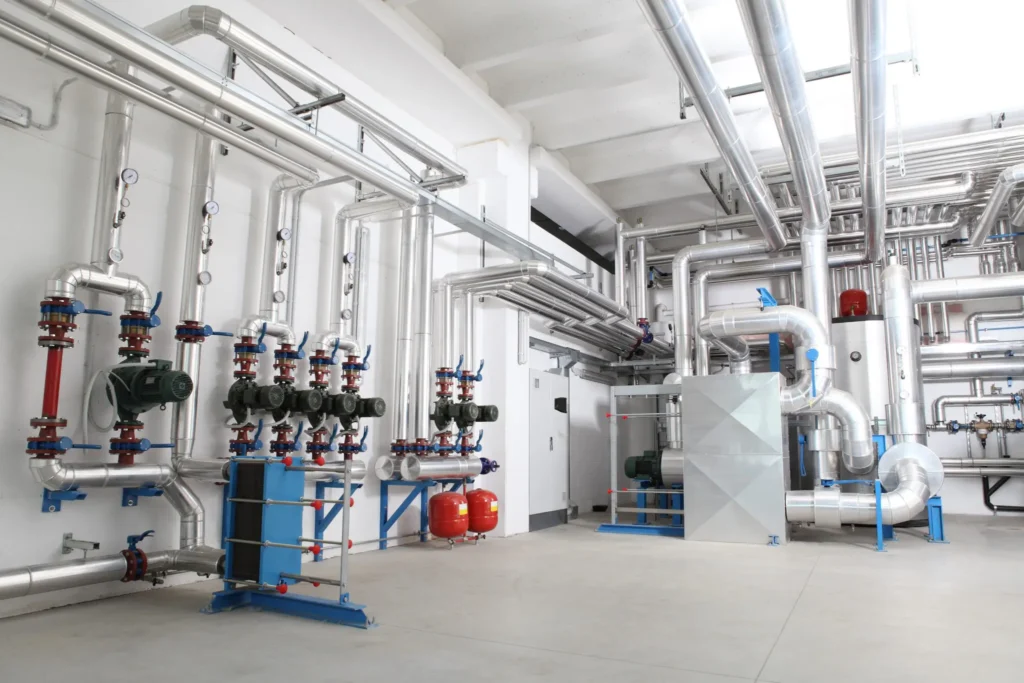
Our software remotely optimizes a building’s existing HVAC systems to drastically reduce energy consumption without the need for expensive new equipment.
We achieve this through:
The financial impact of Parity’s optimization is immediate and measurable.
525 West 52nd street is a 24-floor luxury rental building in Manhattan’s Hell’s Kitchen neighborhood.
This 392 unit building utilizes water-sourced heat pumps for heating and cooling.
We projected at least $39,848 in energy savings during our first year in the building. We over-delivered and saved the building $67,702 in actual energy savings in 1 year.
Plus, by preventing 42 tons of CO2 from entering the atmosphere, the building saw $11,148 in potential reduced LL97 fine exposure.
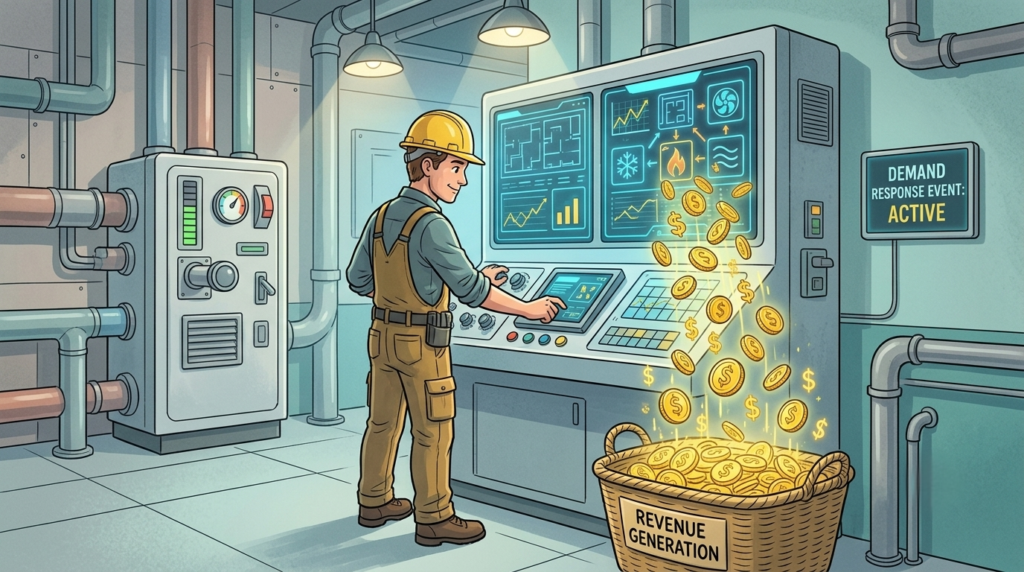
Additionally, in 2025, we helped the building earn $35,395 in Demand Response revenue.
Energy market volatility and skyrocketing utility bills don’t have to be a threat to your building’s bottom line.
Optimizing your HVAC system is the ultimate defense strategy for multifamily buildings and hotels.
By cutting energy waste and streamlining operations, you transition energy consumption from an unpredictable liability into a tightly managed asset.
Let Parity be your shield.
To learn more about how Parity’s HVAC optimization can safeguard your properties against unpredictable energy costs, contact contact@paritygo.com or call 1-833-372-7489.