
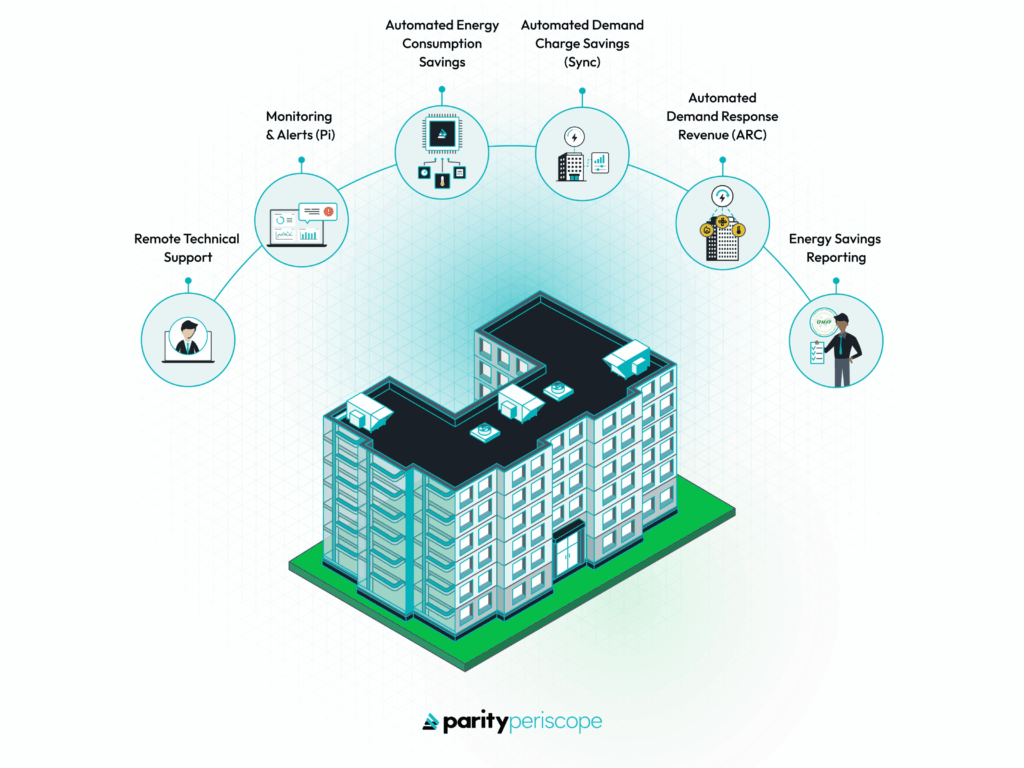
Periscope boosts the operational and energy performance of common area HVAC systems in low and mid-rise podium style multifamily and hotel portfolios.
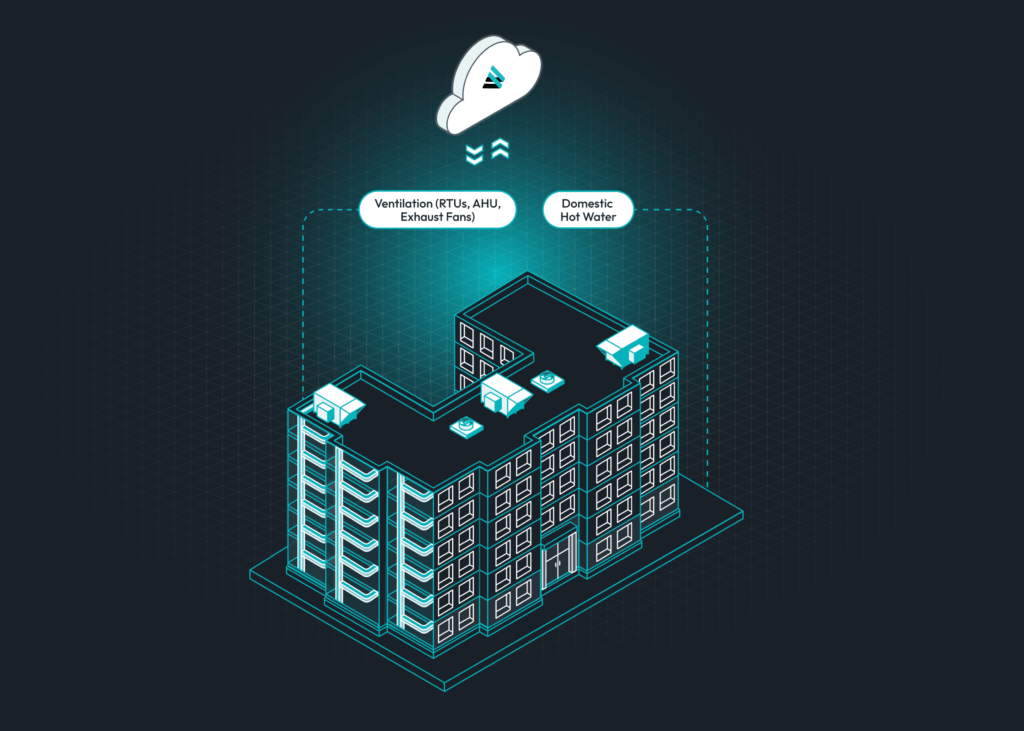
Periscope is an HVAC optimization service for buildings where ventilation equipment is spread across multiple roofs or a large footprint.
Periscope connects air handling units, rooftop units, and exhaust fans wirelessly with minimal hardware for remote control and visibility. No expensive communication wiring. No BMS required. Periscope delivers:
Every Periscope building also includes Pi, our monitoring and alerts dashboard, plus an annual report on electricity savings verified using IPMVP.
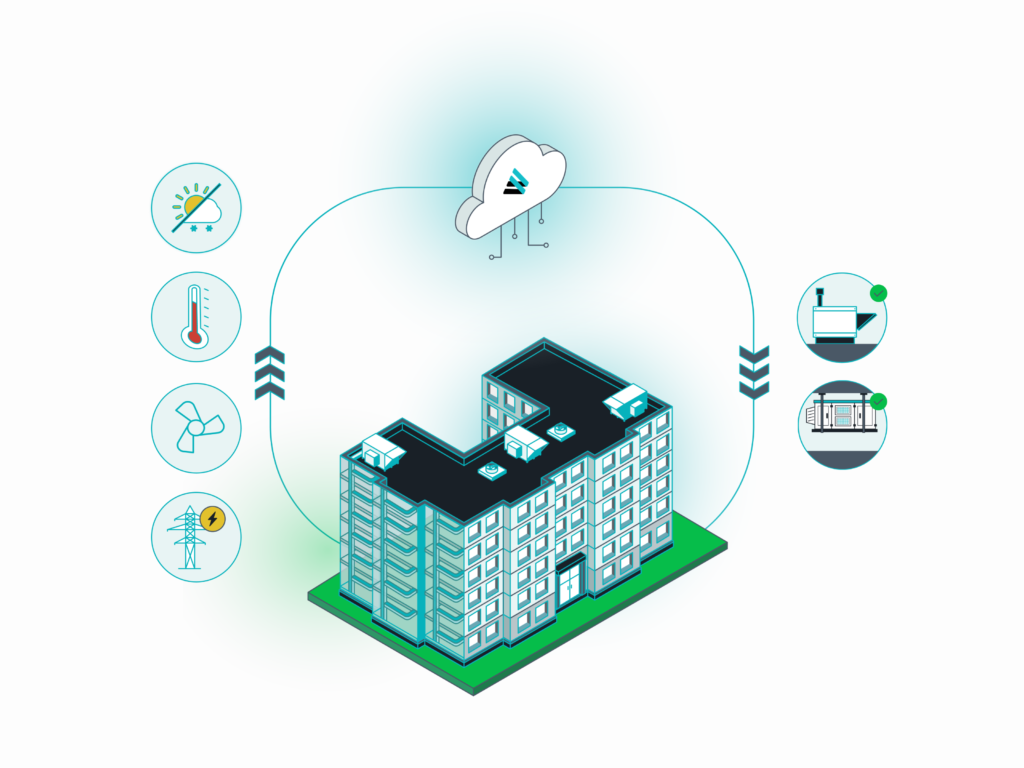
Periscope reduces the electricity your ventilation equipment uses by automatically adjusting how and when your rooftop units, air handling units and exhaust fans run.
Once installed, Periscope reads live operating data from each unit, such as fan speeds and run status. Our Machine Learning algorithms use that data to redesign operations to maximize efficiency. Optimized control adjustments are automatically streamed to the building in real-time.
Our control optimization software actions are autonomously repeated and monitored to ensure performance.
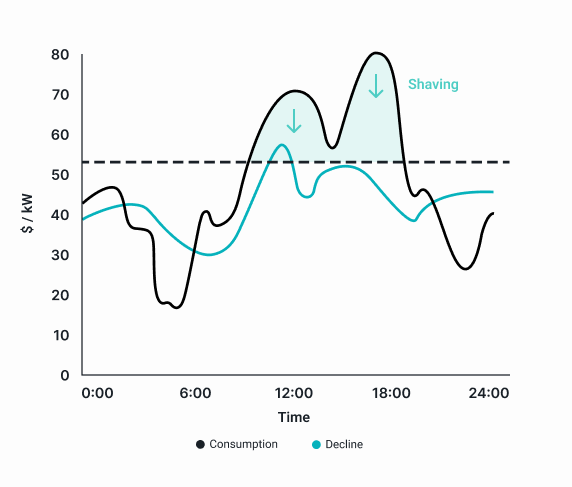
Your utility doesn’t only bill for how much electricity you use. It also charges for your building’s highest peak each month, and in some markets, for your demand during the grid’s busiest hours.
Sync, Periscope’s demand management service, uses real-time interval meter data to automatically shave peak demand. This lowers two kinds of charges on your electric bills:
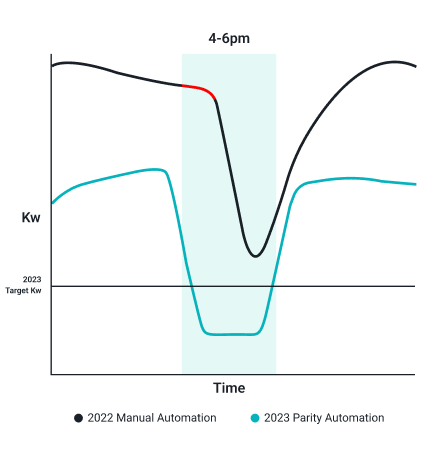
When a utility or grid operator calls a demand response event, ARC, Periscope’s automated demand response service, curtails your ventilation equipment and returns it to normal afterward. Nobody on site has to adjust anything.
Across Parity’s portfolio, 52 buildings participated in 846 demand response events in 2025 and earned $397,277 in revenue.
In 2023, a client in New York City enrolled to deliver 100 kW of reduction during demand response events. With Parity’s automation, curtailment started ahead of each event and ramped back smoothly afterward, delivering 50 kW more reduction than the year before and $4,500 in additional revenue.
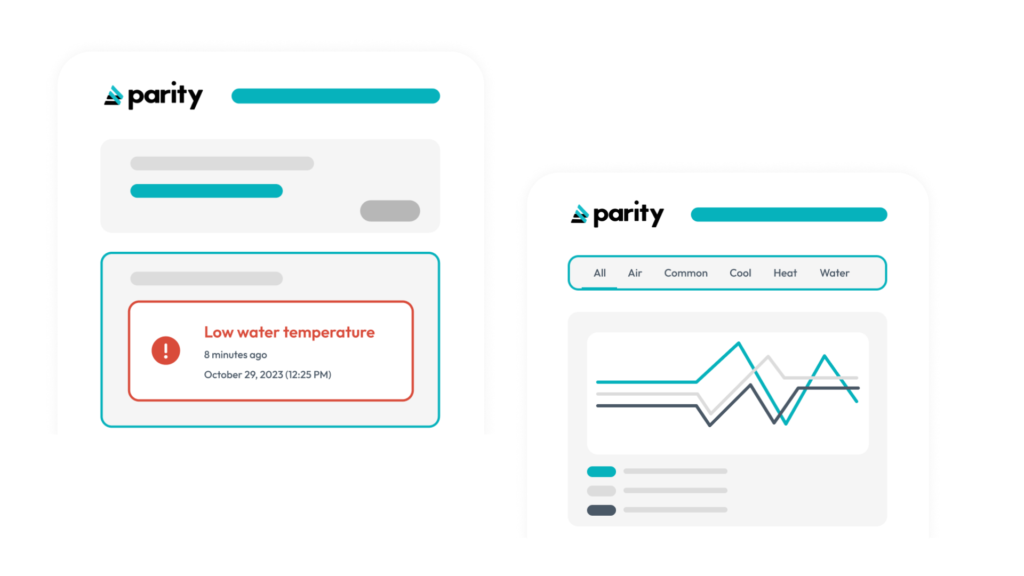
Pi (Parity Insights) shows the status and trend data for every connected unit and sends tiered alerts when something needs attention, so problems get caught early instead of reported. If your building has central domestic hot water, we can monitor it on request.
We understand that software alone is not the full solution. Parity’s technical support and customer success teams provide remote support if issues arise, seven days a week, while your HVAC contractor continues to service the equipment itself.

Parity uses the International Performance Measurement and Verification Protocol (IPMVP) to verify the impact our Periscope service is having on your portfolio. We generate annual report showing the electricity saved and the revenue earned.
You can also see equipment data and alerts anytime in Pi.


Tell us about your portfolio, and we'll show you which buildings qualify.