Are you familiar with demand response, but unsure how your building can participate? Or are you engaged in a demand response program, but struggling to do so effectively and efficiently? Or perhaps you’ve never even heard of demand response, but you’re frustrated by your property’s ever-escalating energy expenses.
The grid is under pressure-and it’s not going to ease any time soon. Electricity demand is surging, driven by electrification, EVs, and data centers. At the same time, hotter summers are pushing cooling systems to their limit.
Buildings are no longer passive energy consumers. They are grid assets.
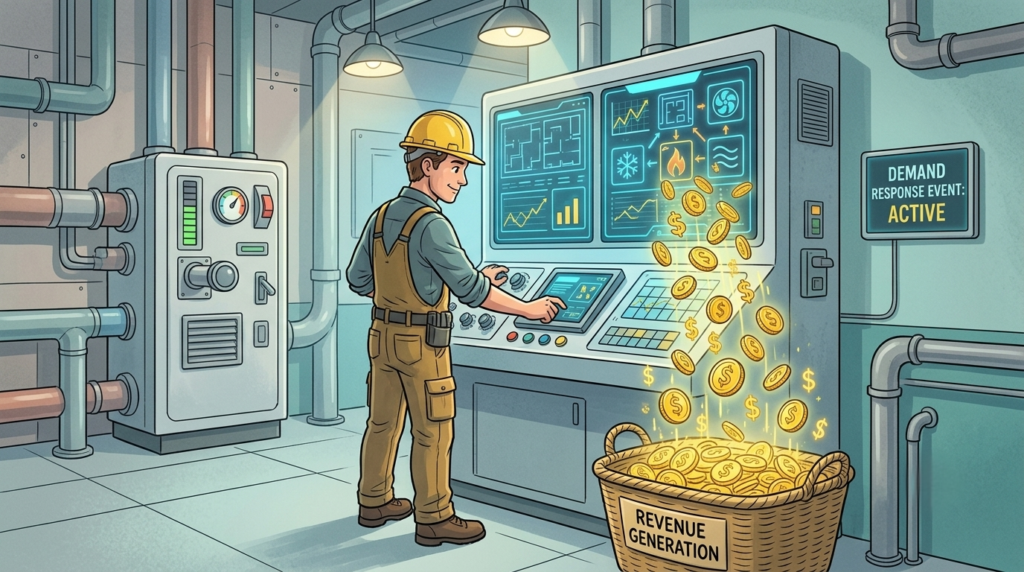
When the grid is strained-typically on the hottest days of the year when demand spikes-utilities or ISOs (Independent SystemOperators) call a demand response event. They pay buildings to curtail energy use to prevent overloads, blackouts, or brownouts.
Buildings can:
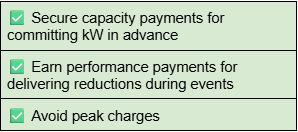
Done well, residents don’t notice. Done poorly, tenant comfort is compromised and revenue is lost.
Most multifamily properties and hotels that participate in demand response do it manually. That means relying on building staff to adjust equipment across the building in a short window, often with little notice, during the busiest and hottest days of the year. The result?
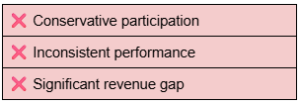
It also places an unnecessary burden on building engineers and property managers, who are already stretched thin during peak season. The constraints are common:
Manual DR may be better than no DR. But one very important advantage gets lost.
If your building is enrolled in a demand response program but relying on manual curtailment, the gap between what you’re earning, and what you could be earning is significant.
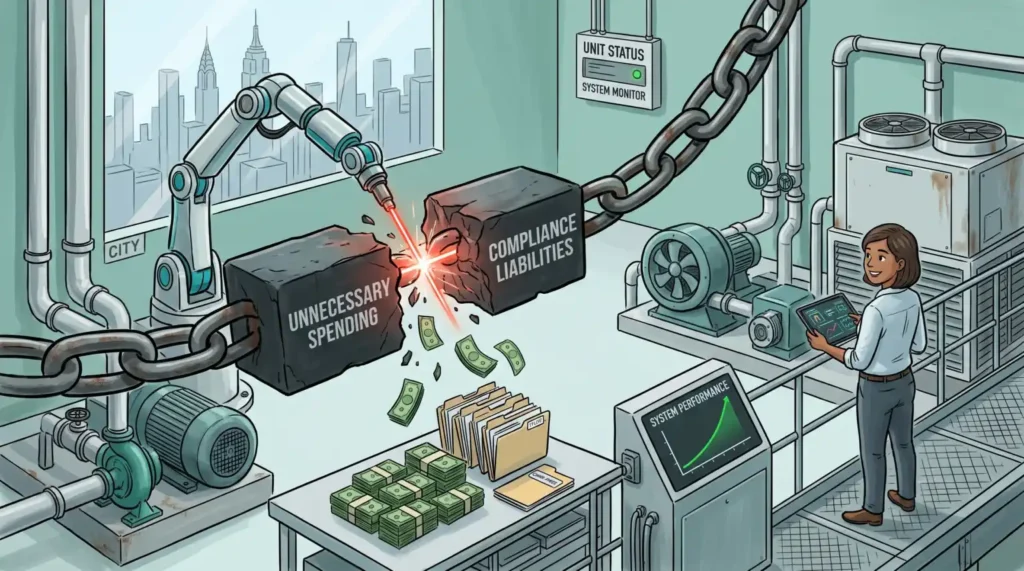
Here’s Why: Manual curtailment tends to be shallow and conservative-teams adjust what they can reach quickly and err on the side of caution to protect comfort. The building responds late, curtails less, and rebounds harder.
Automated curtailment alters the approach, and results, entirely. Systems are pre-cooled before the event starts, reduce load in staged sequences during the event, and recover intentionally afterwards to avoid demand spikes. The result is deeper curtailment, more consistent performance, and higher payments. The financial difference is material.
Buildings that automate not only earn more per event, they perform consistently enough to qualify for higher-value programs and commit more enrolled kW with confidence.
The question isn’t whether your building should participate in demand response; it’s whether you’re maximizing your revenue.
In 2025, over 60 buildings participated in demand response with Parity and Logical Buildings. The results speak for themselves: With 3.6K+ kW of energy curtailed, the total DR revenue earned across the 60 buildings was $400,000.
Parity’s top performing building earned $35,795 with 227 kW of energy curtailed. That’s $35,795 of extra revenue that can contribute towards bottom lines.
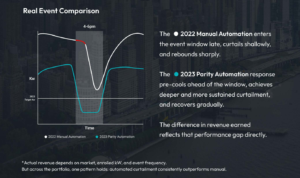
* Actual revenue depends on market, enrolled kW, and event frequency
Across the portfolio, one pattern holds: automated curtailment consistently outperforms manual.
Curious to find out exactly how Parity and Logical Buildings turns a demand response event into your property’s cash cow? Unlock the insights now at https://www.paritygo.com/white-papers/demand-response/
For many building operators, demand response becomes a predictable annual revenue stream. It gives your HVAC systems a lucrative side hustle and helps support an increasingly electrical grid, reducing costs and preventing failures.
Your building is worth something to the grid. Don’t wait too late and let the revenue miss you. Contact us to find out how much.
Reach us at contact@paritygo.com or 1-833-372-7489.